Teaching as a First-Responder Profession: A Guide
Teaching is often viewed as a noble profession, but it also carries the weight of being a first-responder in many situations. Educators are not just responsible for imparting knowledge; they are also tasked with ensuring the safety and well-being of their students. This blog post will explore the multifaceted role of teachers as first responders, the skills they need, and practical strategies for handling emergencies in the classroom.
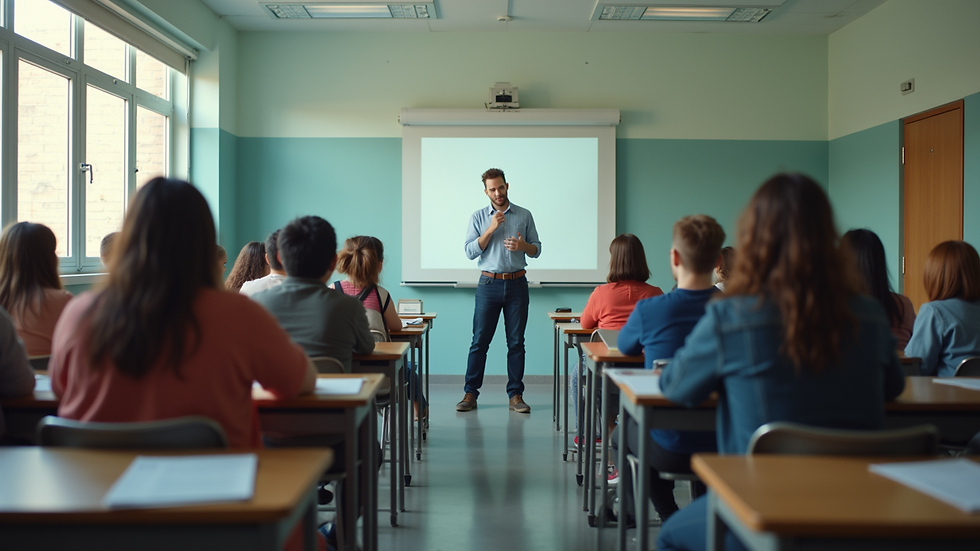
The Role of Teachers as First Responders
In today’s educational landscape, teachers are often the first line of defense in emergencies. Whether it’s a medical issue, a natural disaster, or a security threat, educators must be prepared to act swiftly and effectively. Here are some key aspects of this role:
Emergency Preparedness
Teachers must be equipped with the knowledge and skills to handle various emergencies. This includes:
First Aid Training: Understanding basic first aid can make a significant difference in a medical emergency. Teachers should be trained in CPR and how to use an AED (Automated External Defibrillator).
Crisis Management Plans: Schools should have clear protocols for different types of emergencies, including lockdowns, evacuations, and natural disasters. Teachers should be familiar with these plans and participate in drills.
Communication Skills: In a crisis, clear communication is vital. Teachers need to convey information effectively to students, parents, and emergency services.
Recognizing Signs of Distress
Teachers often spend more time with their students than anyone else, making them uniquely positioned to notice changes in behavior or emotional distress. Signs to watch for include:
Sudden changes in academic performance
Withdrawal from social interactions
Unexplained physical symptoms
By recognizing these signs early, teachers can intervene and provide support or refer students to appropriate resources.
Building a Safe Classroom Environment
Creating a safe and supportive classroom environment is essential for both learning and emergency preparedness. Here are some strategies:
Establishing Trust
Building strong relationships with students fosters an environment where they feel safe to express their concerns. Teachers can:
Hold regular check-ins to discuss students' feelings and experiences.
Encourage open communication and active listening.
Implementing Safety Protocols
Having clear safety protocols in place helps students know what to do in an emergency. This includes:
Conducting regular safety drills.
Posting emergency contact numbers and procedures in visible areas.
Promoting Mental Health Awareness
Mental health is a crucial aspect of overall well-being. Teachers can support mental health by:
Integrating social-emotional learning into the curriculum.
Providing resources for students who may need additional support.
Practical Strategies for Emergency Situations
When emergencies arise, teachers must act quickly and decisively. Here are some practical strategies for various scenarios:
Medical Emergencies
In the event of a medical emergency, teachers should:
Assess the situation quickly to determine the severity.
Call for help immediately if the situation is serious.
Provide first aid as needed while waiting for emergency services.
Natural Disasters
Natural disasters can strike without warning. Teachers should:
Familiarize themselves with the school’s emergency response plan for natural disasters.
Ensure students know safe locations within the classroom or school.
Remain calm and reassure students during the event.
Security Threats
In the case of a security threat, teachers must:
Follow the school’s lockdown procedures.
Keep students calm and quiet until help arrives.
Communicate with law enforcement if possible.
The Importance of Ongoing Training
To effectively serve as first responders, teachers must engage in ongoing training. This can include:
Regular First Aid and CPR Courses: Keeping skills up to date ensures teachers are prepared for medical emergencies.
Crisis Management Workshops: Participating in workshops can help teachers learn new strategies for handling various emergencies.
Mental Health Training: Understanding mental health issues can equip teachers to better support students in distress.
Collaborating with Parents and the Community
Teachers should not work in isolation when it comes to safety and emergency preparedness. Collaborating with parents and the community can enhance the overall safety of the school environment. Here’s how:
Engaging Parents
Communication: Keep parents informed about safety protocols and emergency plans.
Involvement: Encourage parents to participate in safety drills and workshops.
Partnering with Local Agencies
Emergency Services: Establish relationships with local police and fire departments for support and training.
Mental Health Resources: Connect with local mental health organizations to provide resources for students and families.
Conclusion
Teaching is not just about delivering lessons; it is also about being prepared to respond to emergencies. By understanding their role as first responders, teachers can create a safe and supportive environment for their students. Ongoing training, collaboration with parents and the community, and a focus on mental health are essential components of this responsibility.
As educators, it is crucial to embrace this multifaceted role and equip ourselves with the skills and knowledge needed to protect and support our students. By doing so, we not only enhance their learning experience but also ensure their safety and well-being in times of crisis.
Call to Action
Consider taking the first step by enrolling in a first aid course or participating in a local emergency preparedness workshop. Together, we can build a safer educational environment for all.


Comments